

Derek Ashley
Biography

Derek Ashley
This is the story of a British artist forgotten by the art world—a man for whom art was everything. He sacrificed much in his life to keep his practice alive. Yet, his sudden death erased his name from the memory of the art world. Still, his legacy stands—in the artworks scattered across the world and in the memories of those who still remember him. His story reminds us of a man of depth and conviction: Joseph Keenan, the patriot; Derek Ashley, the artist.
Early Life
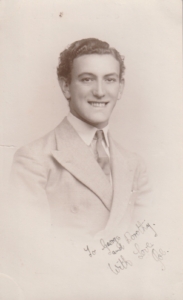
Figure 1: Portrait of young Joseph
Joseph was the youngest of four children, born in Kingston-upon-Hull, East Yorkshire, in 1918 at the end of the First World War. The age gap between him and his siblings was significant—so much so that he was delivered by his elder sister, Dorothy, and a few months after his birth, his eldest brother was already getting married.
From an early age, Joseph showed a remarkable talent for drawing, painting, and colouring. Dorothy recalled buying him a colouring book for his fourth birthday—and being amazed when no one could tell the difference between the printed sample and Joseph’s painted copy. Colour became his lifelong passion. Later, he would master the science of colourimetry. Even on black paper, a few vibrant strokes were enough for him to conjure movement and life.
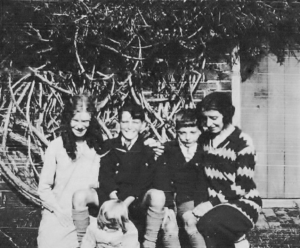
Figure 2: Dorothy (on the right) and Joseph (second from the left) with their family
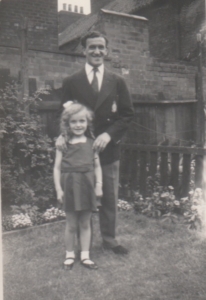
Figure 3: Joseph and Joan in 1953
Joseph's bond with Dorothy went beyond ordinary siblinghood. It extended to Dorothy’s only child, Joan, who remembers him as a kind, loving, and playful presence. One of Joan’s earliest memories is of enjoying gymnastics with Joseph in the garden during the final days of her grandmother’s life in 1953. Decades later, in 1983, she witnessed the same scene again—this time with Joseph teaching gymnastics to her own daughter, Georgina, whilst he was staying with the family for Dorothy’s funeral.
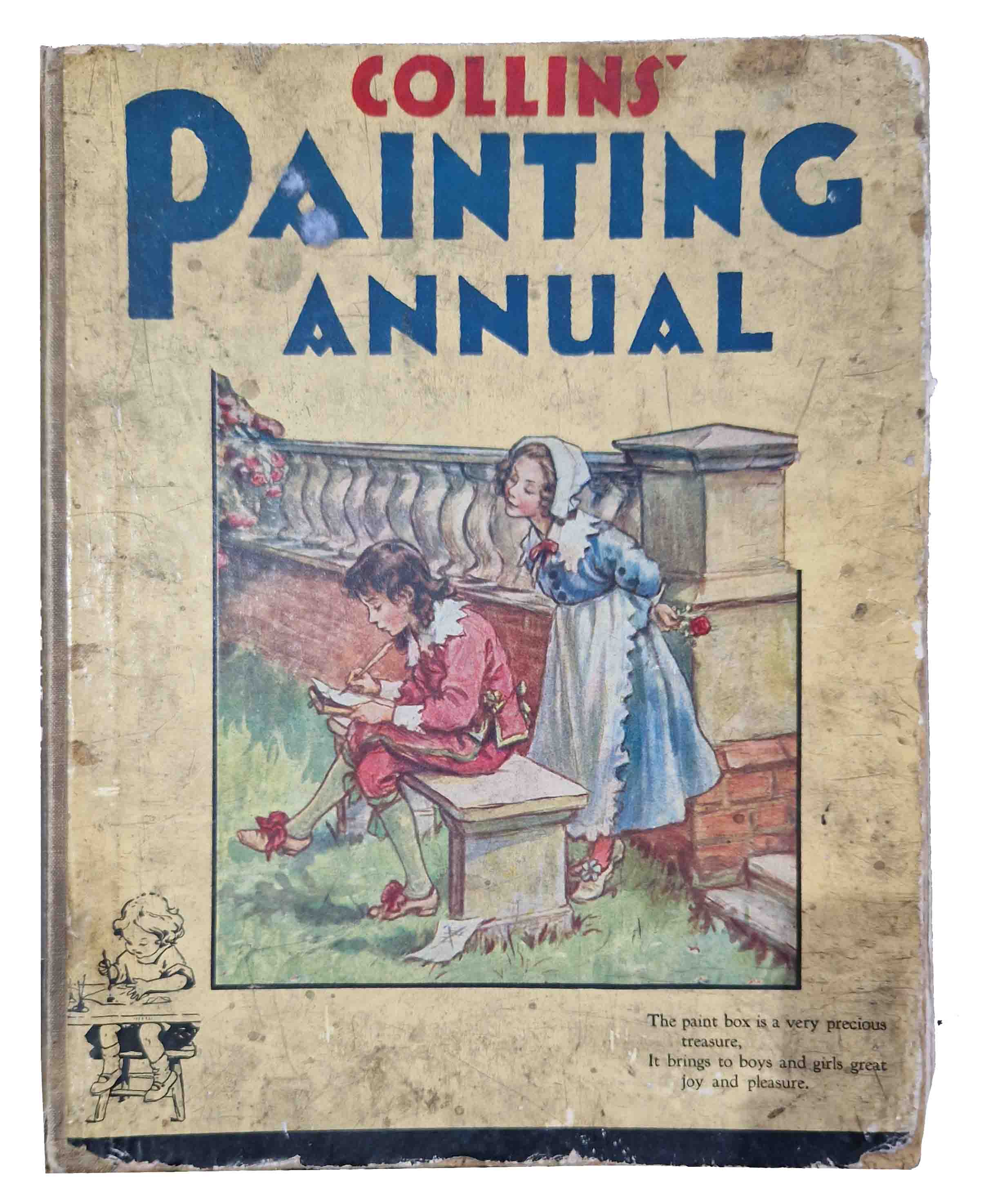
Figure 4: The Colouring Book Dorothy bought for Joseph for his 4th birthday
Dorothy was one of Joseph’s strongest supporters, encouraging him to pursue his talent. Joseph kept that birthday colouring book for the rest of his life. A note he later wrote for Dorothy’s funeral captures the weight of their bond:
To my dearest Sister Dorothy,
Words cannot express my loss—
but pleasant and grateful memories remain
of days gone by! For ‘big sister Dorothy’
who so proudly followed [and] encouraged
the career of ‘little brother Joseph’,
through his brave service in the R.A.F.—and
always encouraged his artistic talent and proudly saw them blossom.
I owe you so much, dear Dorothy.
My thoughts will ever be with you. Look over me.
Your loving brother,
Joseph
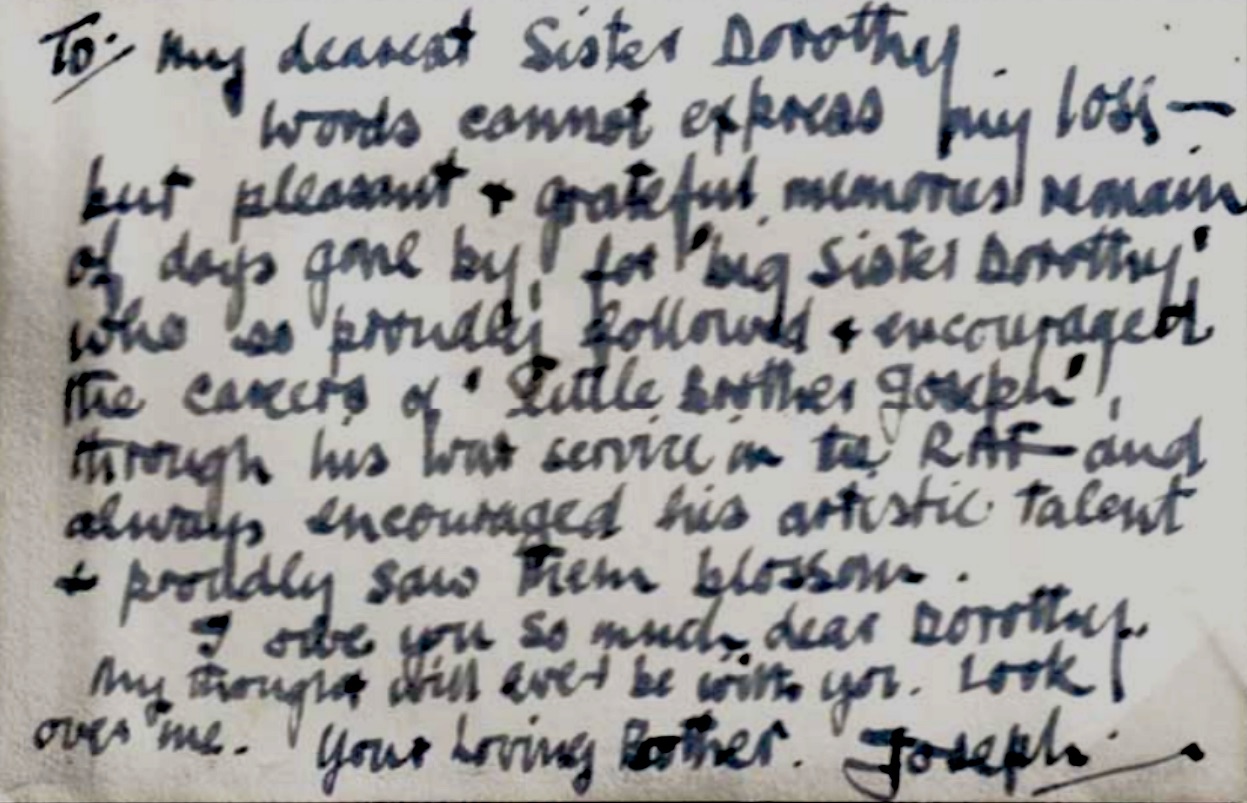
Figure 5: Joseph's heartfelt note for his sister Dorothy
Despite his clear artistic talent, there was parental opposition to him pursuing art as a career. His father, though cultured and fond of books, had lived through the difficult years of the late 19th and early 20th centuries. For him, and many like him, stability was paramount. Art didn’t promise a secure future.
But for Joseph, art was non-negotiable. His persistence led to a Junior Art Scholarship to attend Hull College of Art at the age of thirteen
Following this, he began a painting and decorating apprenticeship in the studio of Herbert Hamer, a painter based in Kingston-upon-Hull. This marked his first professional step toward the art world. He would soon be awarded a Rome Scholarship to study art in Italy. But while the opportunity was a testament to his talent and determination, it came with renewed family resistance. Ultimately, he would never go. The year was 1939, and the World War was on the brink of erupting.
The Years of War
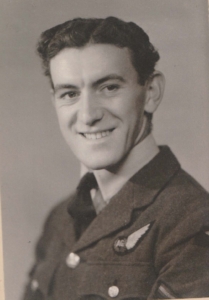
Figure 6: A portrait of Joseph in the RAF uniform
As war broke out, Joseph—then in his early twenties—voluntarily joined the Royal Air Force. The decision would alter the course of his life. Artistic dreams were set aside. In August 1941, he was qualified as an air gunner. His flight logs show service as a Flight Lieutenant across North America, India, North Africa, and Thailand.
He survived three operational missions and five crash landings, sustaining only minor injuries. But those years exposed him to cultures entirely different from his own. His sketchbooks from this period reveal drawings of Egyptian and Far Eastern scenes. It is likely that, had it not been for the war, Joseph probably would never have travelled that far.

Figure 7: Joseph in an RAF Mission
Post-War Years
The period immediately after the war is less clear. We do know that Joseph remained with the RAF as a Physical Training Officer until 1953, stationed in Kinloss in Scotland for part of this time. These were quieter years, when war gave way to peace—and when Joseph slowly began thinking about his art as a profession once more. With a stable income and military duties winding down, he now had the time and resources to reflect and rebuild.
A Return to Art
His discharge from the RAF marked the end of a life partly imposed by circumstance and partly chosen through service. After more than fourteen years in military service, he now had the freedom to pursue his life on his own terms.
He travelled widely in Europe, to Spain, France, and Italy. It was during these travels that he met Pablo Picasso in the South of France. From his paintings and even more so from his sketches, we know that Joseph was deeply interested in Cubism and experimented with the style throughout his life. Souvenirs of these travels are a variety of watercolour landscapes and cityscapes of the cities and towns he visited.
Eventually, he returned to the UK, and London called him home. At first, he worked as a design and colour consultant for companies such as Rank Precision Industries, Lyons Corner Houses, Bendix Domestic Appliances, and Boots Pure Drug Company Ltd. But this work, though respectable, did not satisfy him. His heart remained with fine art.
The Birth of Derek Ashley
Exactly when Joseph began using the name Derek Ashley remains unclear, but it should be between 1953-1959. What we do know is that the name marked a conscious choice, a way to separate his design consultancy works from his identity as a fine artist.
However, we do know that “Ashley” was his mother’s maiden name, a subtle homage to family. As for the reason he chose ‘Derek,’ it is lost to time.
A Professional Artist Needs a Studio
Determined to find his way as a fine artist, Joseph knew he needed a dedicated space to work. He initially rented a studio in the famous Italian Village—Chelsea Studios—a renowned artist complex founded by the Italian sculptor Mario Manenti in 1925. Inspired by a similar studio model in Florence, Manenti built the space after moving to London. Although Manenti had already passed away by the time Joseph moved in as a tenant in 1956, Joan recalls him mentioning that he had met Manenti in person. This suggests Joseph’s affiliation with the Italian Village may have begun prior to 1956.
In 1957, he purchased Studio G within the complex. From that moment onward, Studio G, Chelsea Studios became his lifelong home and creative sanctuary. The studio’s address would appear on the back of every one of his paintings and prints: Studio G, Chelsea Studios, Fulham Road, London S.W.6—a signature marking not just location, but identity. It became the foundation of Derek Ashley, the artist.
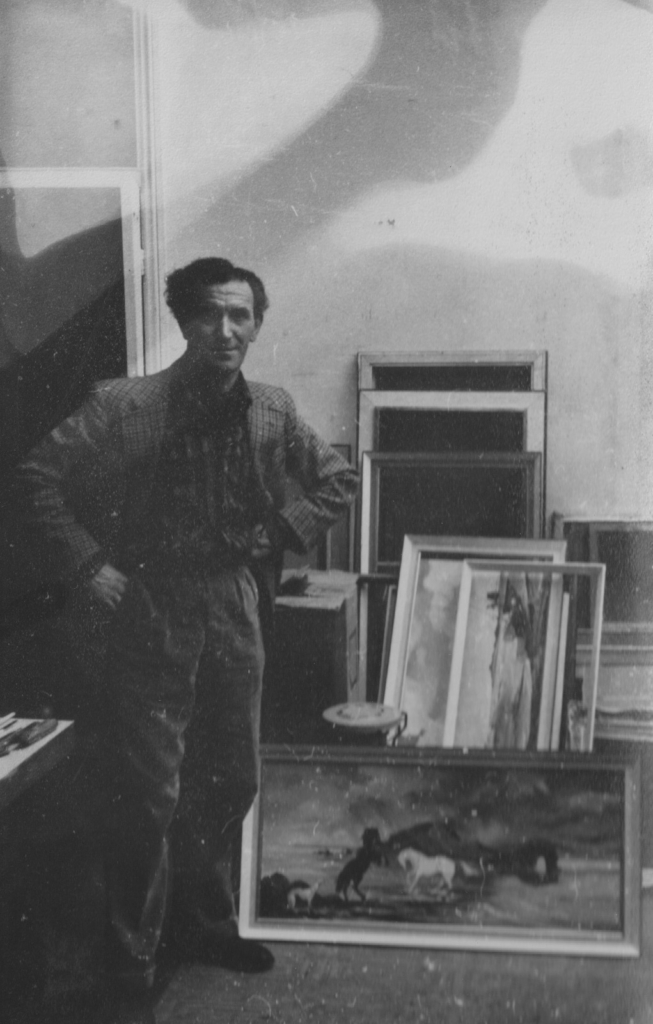
Figure 9: Joseph in his Studio in Chelsea Studios
Early Style
After moving in to the studio, he worked tirelessly to develop his own unique style and find his voice in the art world. Brenda, his life partner from the 1960s, writes about this period:
“Ashley worked extremely hard, often by candlelight, when the electricity was cut off, in primitive conditions—in the true tradition of La vie de Bohème.”
The result of these years in practice was a unique distinct style primarily on black paper or board using gouache and pastel. These mediums allowed for layered, intense colour, offering both bold fields of tone and delicate linear accents. His choice of materials also lent itself well to lithographic printing, which later helped him reach a wider audience through editions and reproductions.
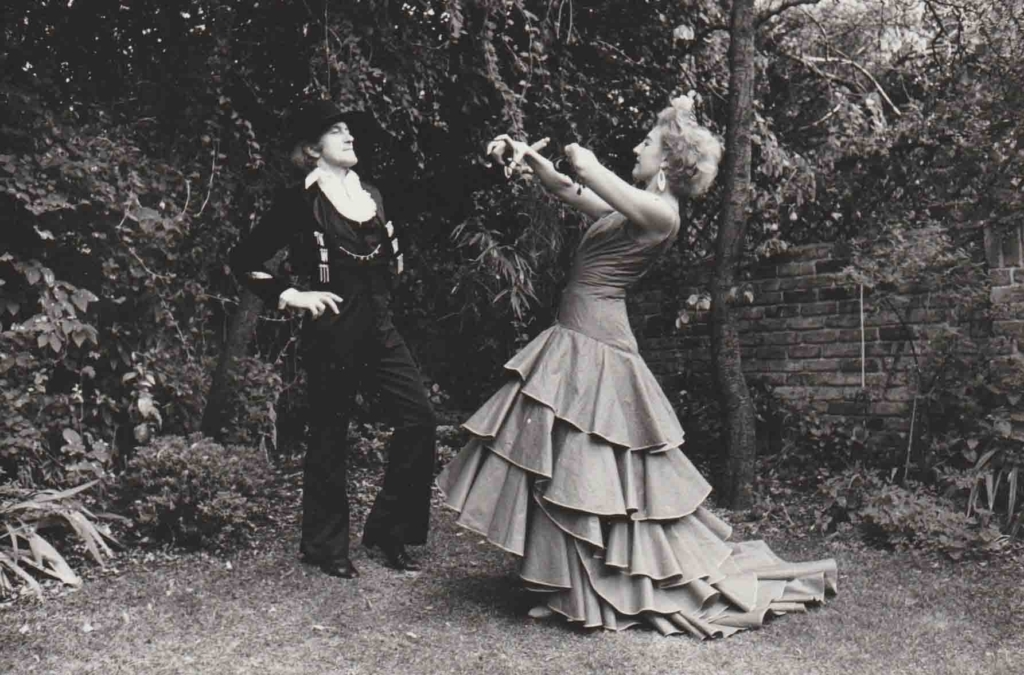
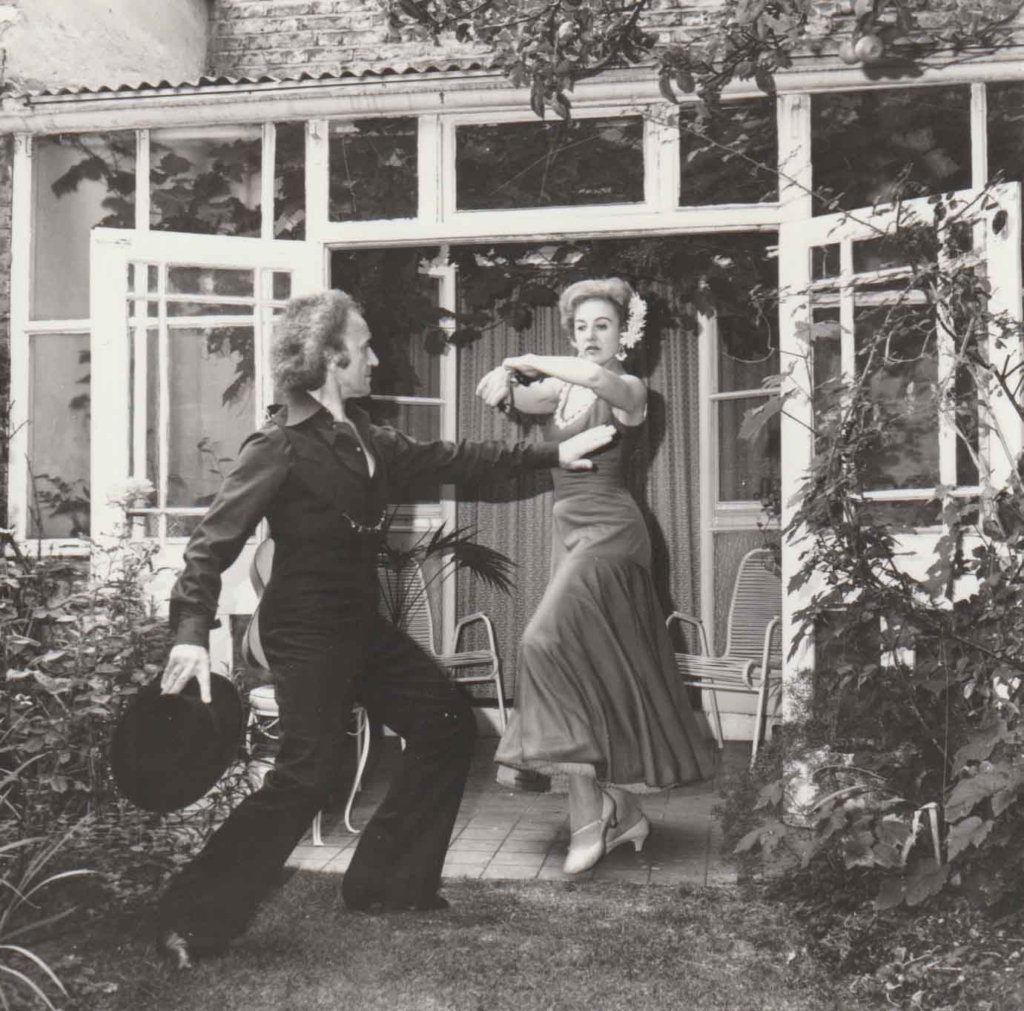
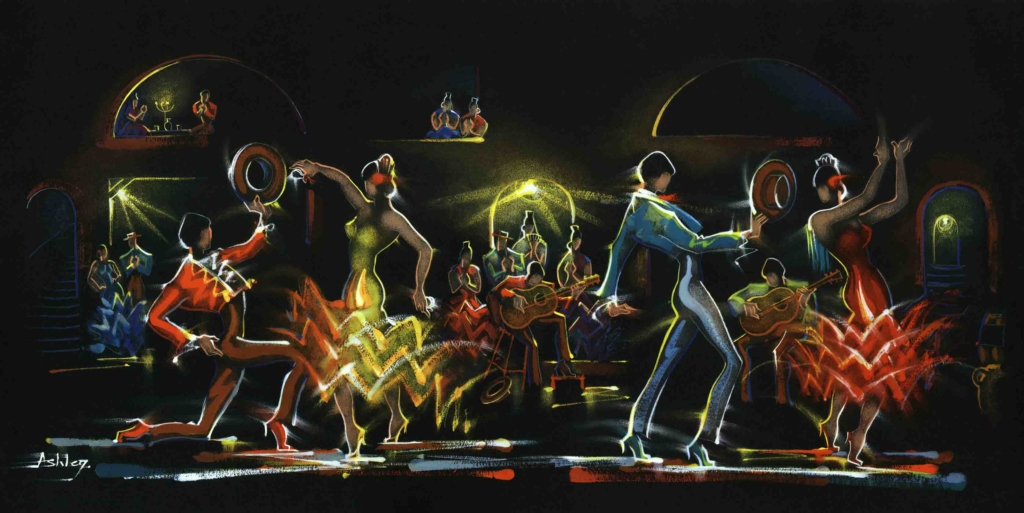
The earliest serious works he produced during this period were inspired by his post-war travels to Spain. A passionate Flamenco dancer himself, Joseph was captivated by the movement and rhythm of the dance. He painted dancers mid-motion—twisting, arching, arms lifted, bodies in expressive flow. Flamenco was not just a subject; it was his own joy.
While researching Flamenco at Fulham Library, just a short walk from his studio at Chelsea, Joseph had a chance encounter that would change the course of his life. Instead of finding a book, he found a life partner—a librarian who, as fate would have it, was a Flamenco dancer herself. She lived in Putney, not far from Chelsea Studios, and regularly hosted Flamenco gatherings in the garden of her home. Their shared passion fostered friendships with other dancers.
Another subject that captured Joseph’s imagination was bullfighting. He produced several experimental pieces depicting matadors in the centre of the arena, bodies arched and fluid, dancing in defiance before the bull. To Joseph, the matador and the Flamenco dancing were not so different—both masters of movement, drama, and poise. Capturing that moment of motion became central to his work. He used line, colour, and contrast to suggest energy and emotion. Gouache and pastel proved to be perfect tools for the task.
Together, these motifs — dancers and matadors — formed the foundation of Derek Ashley’s early style.
Exposure and Relationship with Galleries
Joseph began exhibiting his works at art fairs and outdoor exhibitions across London, including outdoor exhibitions at Embankment (started from 1958) and Hampstead Heath. These post-war initiatives, often supported by the London County Council, provided platforms for artists to connect with the public and sell their works directly. However, they were only annual events and not ideal for a young artist seeking consistent exposure.
A more permanent exhibition space was needed—something like a gallery, open year-round. But Joseph never established ties with commercial galleries. The precise nature of his early interactions with the London gallery scene remains unclear. What we do know is that he remained distant from commercial galleries for the entirety of his career as he didn’t approve their systems.
We know that he had a clear vision for the role of art which was shaped by many inner and external factors. For Joseph, art should “captivate the viewer’s imagination and provoke their thought”, and his viewers should not be filtered or controlled by commercial dealers. While he acknowledged that artists needed to make a living, he believed people should discover and enjoy art freely, guided by personal taste and curiosity. As he said in a 1986 interview:
“For gallery owners, exhibitions are primarily a business—not a celebration of art.”
Despite his struggles with London’s post-war gallery model, Joseph was determined to find a way to sustain himself through art. Later in his life, he was approached by dealers from across the world but these early steps mattered the most. That determination led to a few creative alternatives: Co-founding Green Park Open Air Exhibition, and Sales of Lithography Prints.

Figure 13: Ashley in front of his paintings in an exhibition of his works in the 1960s
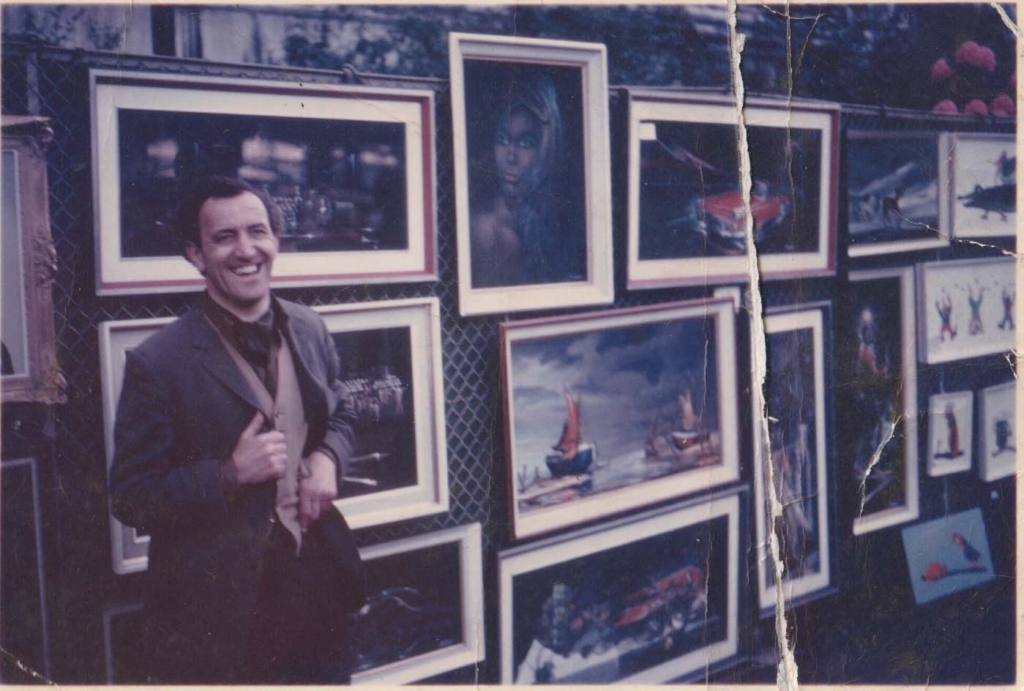
Figure 14: Ashley in front of his paintings, possibly in the Victoria Embankment Exhibition
The Green Park Open-Air Exhibition
It was around 1959 that Joseph, together with a group of like-minded friends, initiated what would become the Green Park Open-Air Exhibition. Inspired by the vibrant Left Bank of the River Seine in Paris, where artists displayed and sold their work directly to the public, Joseph (and his friends) envisioned a similar model for London.
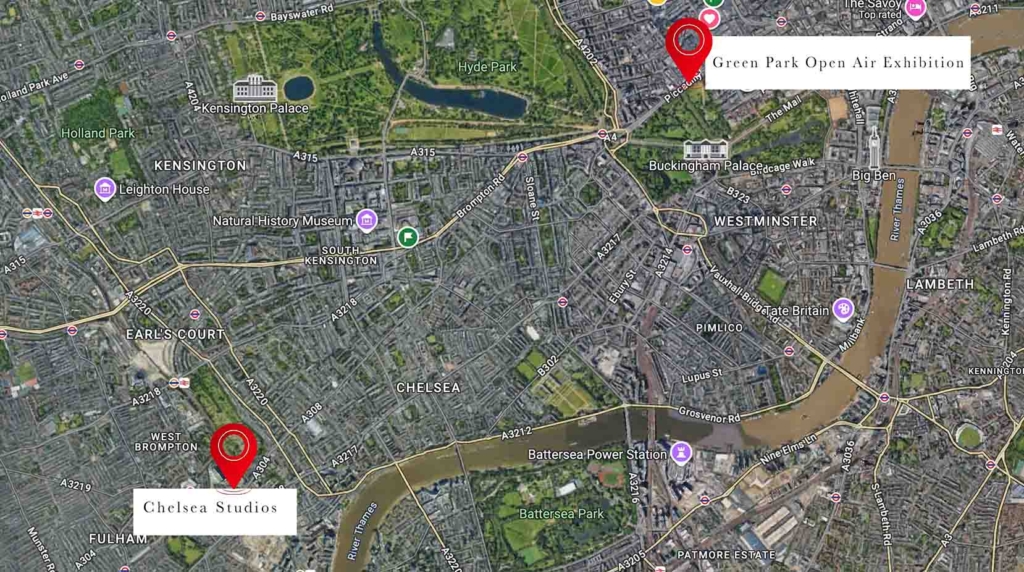
Figure 15: Locations of Chelsea Studios and Green Park Open Air Exhibition
They began exhibiting weekly on the railings of Green Park, just off Piccadilly. For the next 26 years, Joseph rarely missed a Sunday. The park railings became their gallery walls, and the pavement their exhibition space. Many of his collectors first encountered him standing next to his paintings on the pavements. It was the beginning of a story, a ritual, and a community that shaped his (and many other artists’) career.
This not only helped him sell his work but allowed him to build lasting relationships with collectors from around the world. His studio door was also open to anyone with an interest in his art. The system he chose demanded a commercial mindset, and he met that challenge by becoming both artist and art seller. While many artists resist the act of selling their own work, Joseph handled it with a pragmatic grace. He separated the roles of artist and seller throughout his career, and in doing so, created a structure that worked for him.
Through the tireless commitment of Joseph and his peers, the Green Park initiative became one of the city’s hidden cultural treasures. In the peak years, visitors could stroll past the railings for hours, encountering original fine art, speaking directly to the artists, and witnessing creativity made accessible. Many of the works displayed were of exceptional quality—works that would have held their own in any gallery. But the point they were trying to make was another. The purpose was to bypass institutional filters and connect directly with the public.
This initiative had a quiet yet profound social impact. It brought art out of the gallery’s white cube and into the everyday life of London’s Piccadilly. It reimagined the relationship between artist and audience.
Fine Art Prints
While exhibiting in public spaces such as Green Park gave Ashley a vital platform for connecting with audiences and securing commissions, it also required constant personal presence and ongoing effort. As demand for his work grew, he began to explore more sustainable methods of sharing his art — ways that could extend his reach without compromising his independence.
He selected eleven of his most popular paintings and produced high-quality reproductions. The selection was capturing his artistic and creative identity at the time.
To manage this growing aspect of his practice, he established his own publishing company: Ashley-Keenan Fine Art Publishers. Through this venture, his works were circulated in print and featured in publications such as Gift Buyer International and Pictures and Prints, introducing his art to a broader, more international audience.
These marketing efforts proved successful but also demanding. The increase in orders brought with it a host of administrative tasks — packing, correspondence, fulfilment — which Ashley handled largely on his own. Though challenging, this self-managed operation provided both financial stability and a degree of international visibility.
All the while, he continued to exhibit weekly at Green Park, receive commissions, and expand his circle of collectors. Among the fine art prints, two of his racing car paintings stood out in particular: Jim Clark’s Lotus Coventry Climax and the iconic Jaguar E-type.
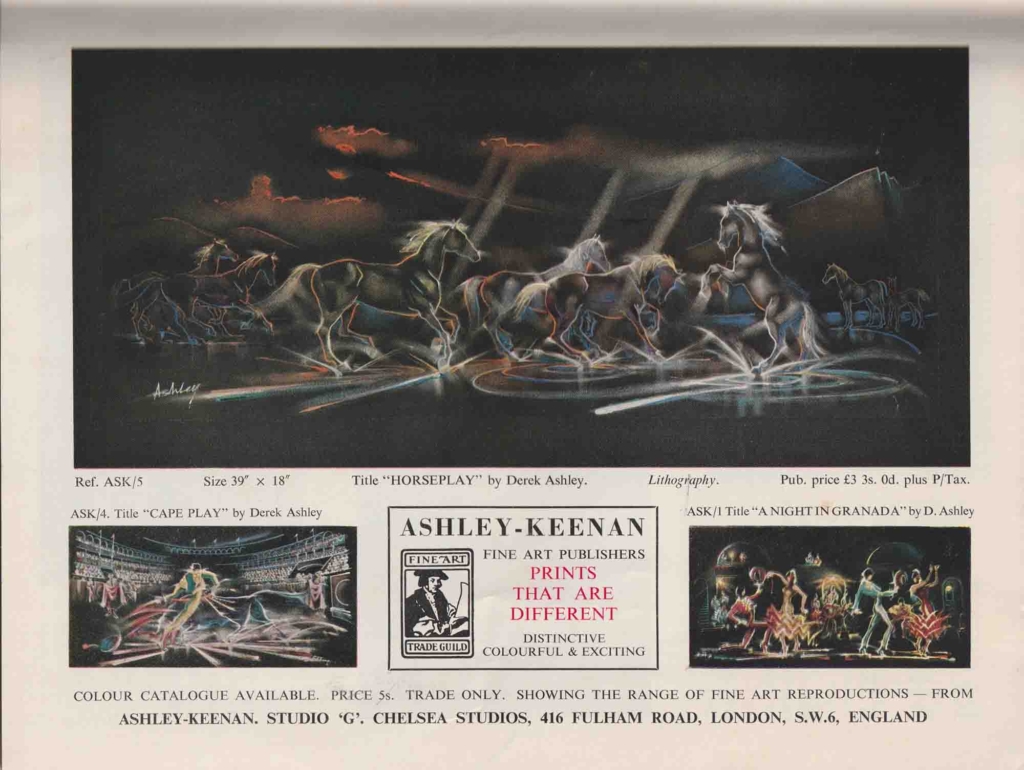
Figure 16: Ashley Prints advertisement in Pictures and Prints Magazine in 1969

Figure 17: Ashley advertisement in Gift Buyer Magazine in 1965
Still Life Paintings
The most reliable account about Ashley’s transition to still life painting comes from a résumé prepared for his exhibition at Fulham Library in 1984:
“Ten years ago, against the advice of his agents and art dealers, Derek Ashley was inspired to change his style and subjects. He began painstakingly to develop a new, highly detailed classical style and technique, based on his earlier training and studies, influenced by the Classical Italian and Spanish style — but with the contemporary influence of Salvador Dali. The result is now evident in his beautifully composed and finished ‘Still Life Fruits’.”
Ashley’s interest in still life had, in fact, appeared much earlier. A painting of fruit and a lobster — dated 1963 — was sold to an American collector in 1966 (Figure 18). But the subject then disappeared from his practice for many years.
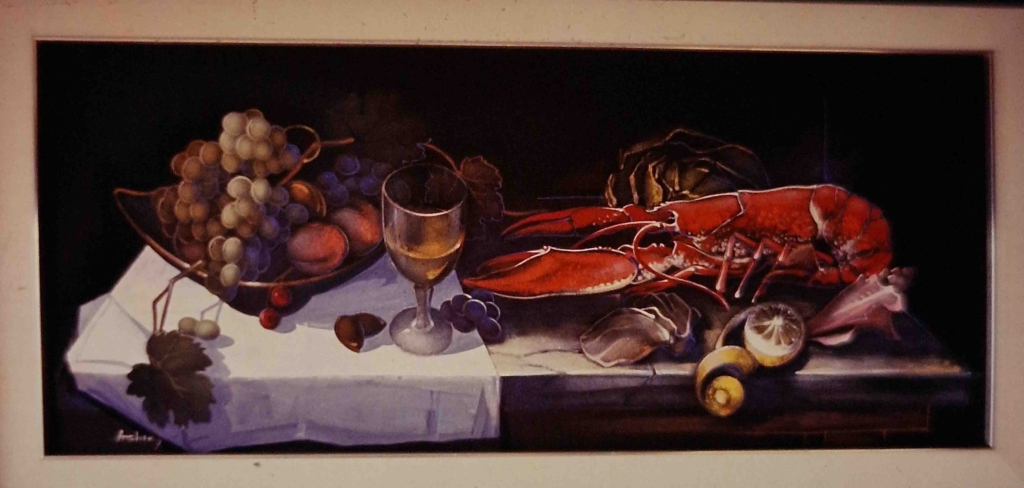
Figure 18: A photograph of Still Life Lobster by Ashley - 1963
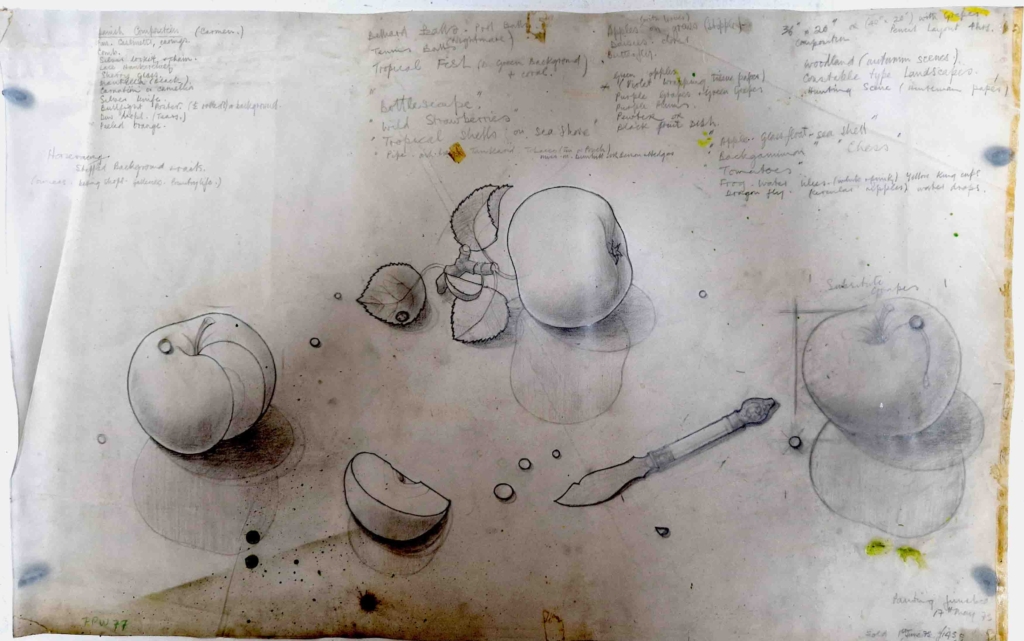
Ashley’s handwritten records suggest very few sales of still life in the late 60s. The next record of still life appears in the form of preparatory drawings in the Ashley Estate Collection (Figure 19). These suggest that from around 1973, Ashley began experimenting and forming a new style and technique with the genre. But it wasn’t until 1975 that his focus shifted entirely to still life. His written accounts show that he painted more than 250 still life fruit compositions between 1975 and 1986.
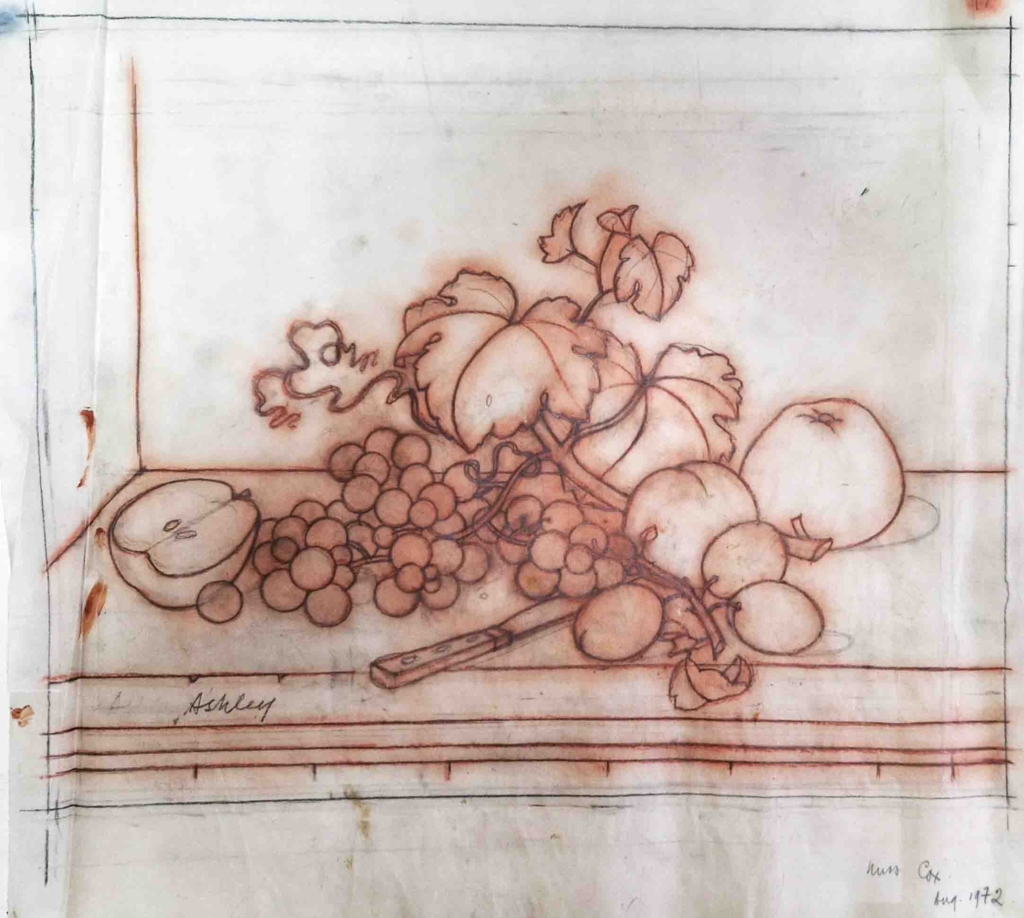
Figure 19: The first reappearance of still life in Ashley's drawings in the year 1972.
Although very risky for an artist at that stage to change his style entirely, the decision worked well for him. It is now obvious that he knew his audience and his own creative capabilities. It wasn’t long before his new unique style began to capture the attention of many collectors and enthusiasts. Gradually, he began to receive commissions. These commissions challenged him to enhance his style further.
Stylistically, these still lifes are heavily under the influence of Surrealism. The fruits introduce a dreamlike stillness, where objects seem unnaturally perfect and isolated — sometimes as if floating in undefined space. All these fruits and flowers exist in a surreal space, with the background exhibiting a masterful use of tonal gradation.
We read in his resume about his style and technique:
"The distinctive Classical style and technique used by this artist requires very careful preparation: each individual composition has to be envisaged and then developed by the use of highly detailed pencil sketches. The canvas has to be specially prepared, together with the secret glaze formulations - developed by the Artist, from his study of the works of the early Italian masters. The final highly detailed painting is then meticulously completed."
And in Ashley’s words during an interview:
“I have developed a special style which involves blending oil and watercolours and using different stages within the same painting. The beauty lies in how it preserves the original colours despite the effects of time and weather fluctuations.”
Ashley had some unique, recurring symbols in his still lifes. Drops of water — reminiscent of the Dutch old masters — appear in almost all of them. When he was asked about the mystery of these droplets and his fascination with them, he replied:
“I greatly enjoy painting water because I find it a beautiful subject, as it reflects the mood of the painting.” And he continues: “As for the stillness of water, it is filled with movement while simultaneously reflecting silence through its calmness. I see this as a balance between stillness and movement".
And he continues:
“Still life, through my paintings, is full of movement at the same time — don’t you see that? That’s the essence of my art... creating a balance between subject and motion ...I paint Still Life and make it pulse with movement.”
There is another occasionally appearing element in Ashley’s still lifes — the mysterious ladybird. The tiny ladybird appears in various corners of the paintings: sometimes resting on a leaf, sometimes under the shadow of an apple, and sometimes ready to fly away.
These still life paintings marked the final phase of Ashley’s career.
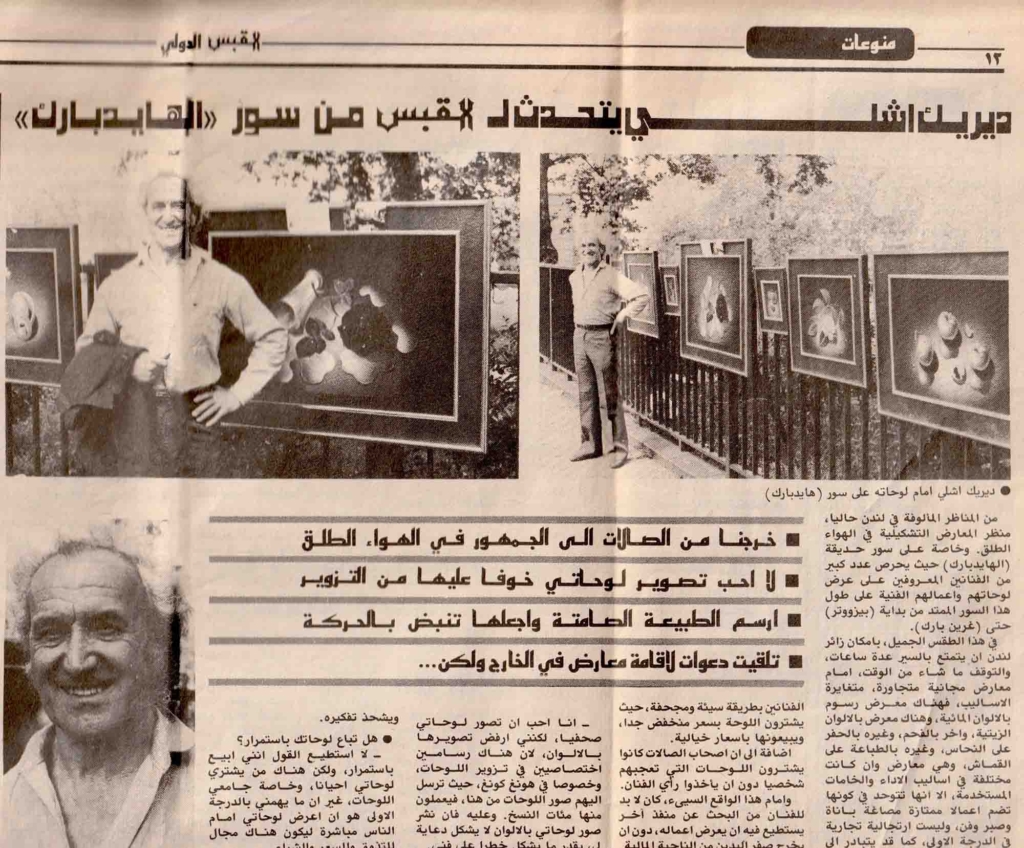
Figure 21: Ashley’s interview published in Al-Aqbas newspaper of Kuwait in 1986
Sustaining the Creative Life: Benefits and Costs
Managing a life of constant creativity — producing original works, handling print orders, responding to commissions — was in itself a remarkable achievement. Except for a brief period in the 1970s, Ashley managed nearly all aspects of his artistic career alone. Family members occasionally stepped in to help. His niece Joan, then a student living in London, recalls staying overnight in central London with a friend, helping Ashley pack prints, write letters, and organise deliveries. These were small but vital moments in a life wholly committed to sustaining an independent artistic practice.
Seen from a broader perspective, it becomes clear that one of the reasons Ashley was able to maintain this system for so long was the character shaped during his RAF service. The discipline, structure, and sense of duty acquired during his years in uniform quietly carried over into his artistic life. His rejection of the commercial gallery system was not just ideological — it was also practical. His routine was consistent, his record-keeping methodical, and his approach to communication measured, fair, and detailed.
His stories from the Green Park exhibitions reflect the realities of self-representation: negotiating prices, enduring the unpredictability of British weather, and engaging with a public whose interest could shift week to week. Yet Ashley navigated these conditions with quiet resilience. He did not complain; he adapted. He understood that to remain free from the constraints of the market, he had to build and maintain a structure of his own.
That structure, however, came with its own limitations. His artworks entered homes and collections across the globe, but the demands of this self-sustaining cycle meant he had to turn down numerous exhibition invitations. He became tethered to the very system he had created — constantly producing, constantly selling. The rhythm of the open-air exhibition and the steady stream of print orders left little room to step away, to pause, or to build large-scale retrospectives.
When asked whether he had ever considered exhibiting abroad, he acknowledged that requests had come from Australia, Europe, and the United States. But he explained, with characteristic honesty:
“If I were to hold an exhibition abroad, I would need to refrain from selling anything for at least two years to accumulate enough works for the exhibition.”
That was the cost of his independence — a system built on direct connection and artistic control, but one that often placed visibility and institutional recognition out of reach.
Final Years and the Quiet Fade
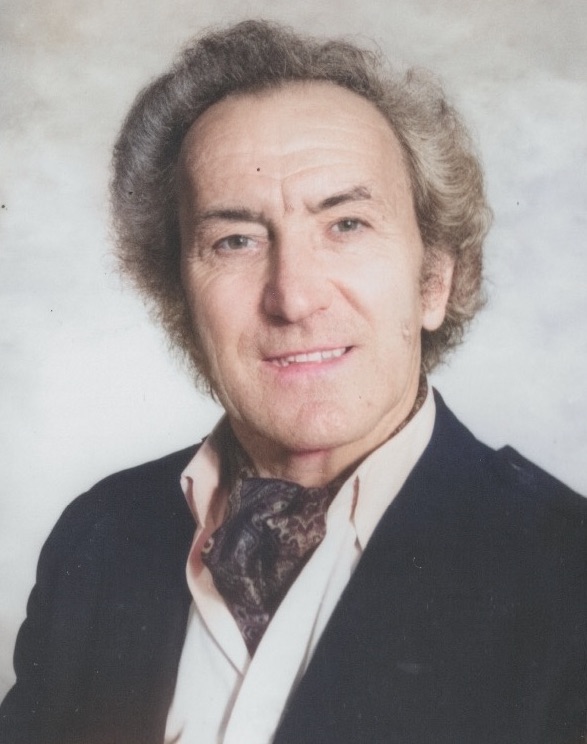
Figure 22: Joseph ‘Derek Ashley’ Keenan in the 80s
In 1986, Ashley was at the peak of his career. His visual language was fully developed, recognisable, and increasingly appreciated by a dedicated circle of collectors. His collectors started to collect Ashley originals not just as decorative paintings, but as collectable investment opportunities.
Through his writings and studio notes, we know he was preparing to publish a limited edition lithograph of Red Rose and Glass — one of his most popular still lifes. With increased stability, he had begun to focus on larger, more ambitious projects that would further solidify his reputation. His dual identity, however — Joseph Keenan in life, Derek Ashley in art — had started to create complications. He was making preparations to legally change his name to Joseph ‘Derek Ashley’ Keenan, a symbolic merging of two selves that had long coexisted separately. That change would never come.
One day, on his familiar 20-minute walk from Brenda’s home in Putney to his studio in Chelsea — a journey he had taken countless times — Ashley was on his way to meet a devoted collector from Bahrain. Somewhere along the route, he slipped and fell. The fall caused a severe head injury. Although he was taken to hospital, he passed away a week later.
No one witnessed the accident. The exact circumstances remain unclear. What is known is: the life of a dedicated artist, who had quietly built a singular path outside the structures of the art world, was brought to a sudden end, just as his work was beginning to be truly recognised.
After his untimely death, his niece, Joan Bowden, was the only remaining family member. She inherited his artistic estate and became its custodian. For decades, the studio items, writings, and remaining paintings remained carefully preserved in the loft of the Bowden family House, far from London, in Leamington Spa, Warwickshire. Now, 38 years later, these stories are emerging for the first time.